November 23, 2026
Catholic Climate Covenant and Laudato Si’ Movement are deeply disappointed that the United Nations climate conference (COP31) in Antalya, Türkiye, concluded without consensus on its central outcome document. After two weeks of negotiations, world leaders failed to reach agreement on critical issues, including the transition away from fossil fuels and financial support for nations most vulnerable to climate change.
At a time when the impacts of climate change are increasingly severe, and the need for urgent action is undeniable, this outcome falls short of what science demands and what justice requires. The proposed final agreement failed to mention fossil fuels, the primary driver of the climate crisis, and did not deliver the meaningful climate finance commitments developing nations urgently need. While some progress was made on individual issues, the failure to reach agreement reflects deep divisions that continue to impede an effective global response.
“The inaction at COP31 is a moral failure of world leaders, especially coming on the heels of a summer filled with climate-related disasters,” said Kayla Jacobs, the director of advocacy and the youth mobilization program manager for the Covenant. “The young people involved in our mobilization programs are desperate for world leaders to take strong action on climate change and to move away from fossil fuels. The failure of the negotiations is also a failure of our responsibility to care for young people.”
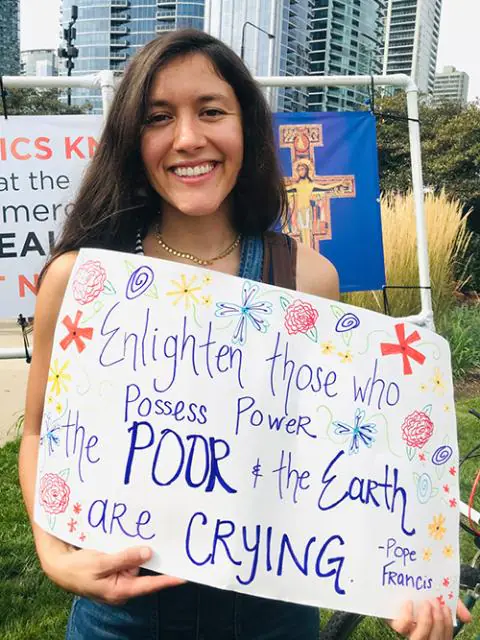
As Catholics, we recognize that climate change is not simply an environmental or political issue. It is a moral issue that threatens the life and dignity of every person, particularly the poorest and most vulnerable among us. As Pope Francis reminded us in Laudato Si’, we must hear both the cry of the Earth and the cry of the poor. We cannot protect one while ignoring the other.
We echo the concerns expressed by the Vatican Secretary of State, Cardinal Pietro Parolin, who addressed COP31 on behalf of Pope Leo XIV. Cardinal Parolin reminded delegates that climate negotiations are not merely technical or procedural matters; they concern people’s lives, their God-given dignity, and humanity’s future. We stand in solidarity with Catholic bishops and faith leaders, especially those in the Global South, who have consistently called for climate justice, an equitable transition away from fossil fuels, and adequate financial support for the communities bearing the greatest burdens of the climate crisis. Their voices go to the heart of what a just and effective response must look like. As Catholics, we have a responsibility to listen to those on the frontlines of the crisis and stand alongside them as we demand meaningful action.
We are grateful to Lisa Sullivan, Senior Program Officer for Integral Ecology at the Maryknoll Office for Global Concerns, for sharing firsthand reflections from Antalya. As Sullivan noted, “Walking away from a bad deal isn’t surrender — it’s integrity. Refusing to sign a lie keeps the door open for the truth.”
“While these COP negotiations are among the world’s nations, it is clear that some — including the U.S. — are under the thumb of fossil fuel companies who exert pressure on these delegates to obfuscate the impact of our continued reliance on their polluting product. The result is that current and future generations, especially those least responsible for the climate crisis, will suffer the most,” said Dan Misleh, founder and executive director of Catholic Climate Covenant.
In the spirit of Laudato Si’ and Laudate Deum, we call on world leaders to:
- Commit to a just transition away from fossil fuels. Governments must establish clear, ambitious, and accountable pathways to reduce greenhouse gas emissions and accelerate the transition to renewable energy.
- Fulfill their climate finance responsibilities. Wealthier nations must provide adequate, accessible, grant-based funding to help developing countries address climate impacts, strengthen resilience, and respond to loss and damage.
- Prioritize the poor and most vulnerable. Climate policies must uphold human dignity, protect frontline communities, and ensure that those who have contributed least to the crisis do not bear its greatest costs.
- Renew their commitment to international cooperation. The climate crisis demands solidarity, shared responsibility, and a willingness to place the common good above narrow national and economic interests.
The work of caring for creation cannot be left to international negotiations alone. As members of the U.S. Catholic community, we are called to respond through prayer, education, advocacy, and action in our parishes, schools, dioceses, and communities. We can join the growing movement for a just transition by advocating for clean, community-owned energy, supporting policies that protect frontline communities, and working alongside other faith communities to demand a future beyond fossil fuels.
The disappointing outcome of COP31 must not lead to discouragement or inaction. Our faith calls us to remain people of hope, but hope requires action. We must continue working together to protect God’s creation, uphold the dignity of every person, and ensure a livable future for generations to come.
Catholic Climate Covenant and Laudato Si’ Movement remain committed to lifting the Catholic voice for climate justice and mobilizing the U.S. Catholic community to care for our common home.